
How to Choose the Right Vacuum Cleaner for Your Home or Business
Choosing the right vacuum cleaner can make everyday cleaning easier, faster, and more effective. With so many models available, it can be difficult to determine which machine is suitable for your specific needs. Vacuum cleaners vary in design, suction power, capacity, filtration systems, attachments, and intended use. A vacuum that works well in a small home may not be suitable for a busy office, hotel, retail store, or other commercial environment. Understanding the key factors before making a purchase can help you select a vacuum cleaner that delivers reliable performance and meets your cleaning requirements.
Consider Where the Vacuum Cleaner Will Be Used
The first step when choosing a vacuum cleaner is to consider where it will be used. Residential cleaning generally involves bedrooms, living rooms, kitchens, stairs, and other household areas. A compact vacuum cleaner may be convenient for these spaces because it is easier to carry, store, and operate. Homes with pets, children, or large carpeted areas may require a model with stronger suction and specialized attachments.
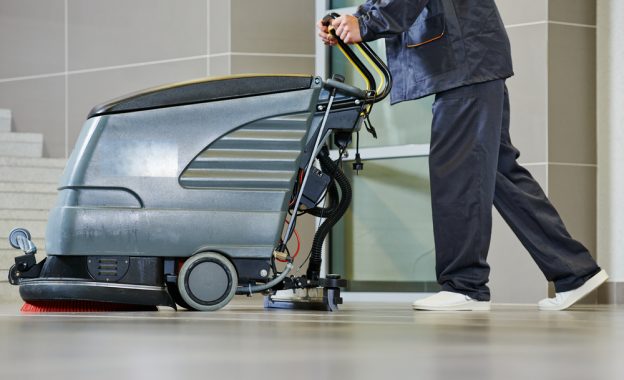
For businesses, cleaning requirements can be significantly different. Offices, hotels, restaurants, warehouses, schools, and retail spaces may have larger areas that require frequent cleaning. A commercial vacuum cleaner is designed for demanding environments and typically offers greater durability, larger capacity, and features intended for extended use. Assessing the size and type of area you need to clean will help narrow down your options.
Check the Suction Power
Suction power is one of the most important performance factors to consider. A vacuum cleaner with effective suction can remove dust, dirt, hair, crumbs, and debris from different surfaces more efficiently. However, maximum suction power is not always the only consideration. The overall design of the machine, airflow, brush system, and filtration technology can also affect cleaning performance.
For homes with carpets and rugs, choose a vacuum that can effectively lift dirt from deeper within the fibers. Hard floors may require a different brush setting or attachment to prevent scattering debris. In commercial environments, consistent suction performance is particularly important because the vacuum may be used for extended periods and across multiple floor types.
Choose the Right Vacuum Type
Vacuum cleaners come in several designs, including upright, canister, stick, handheld, wet and dry, and backpack models. Each type has advantages depending on the cleaning task. Vac-City offers a wide selection of vacuum cleaners for different cleaning needs, helping customers find reliable solutions for homes, offices, and commercial spaces.
Upright vacuum cleaners can be useful for large carpeted areas and are often easy to maneuver across floors. Canister models provide flexibility and can be useful for cleaning stairs, furniture, and hard-to-reach areas. Stick vacuums are lightweight and convenient for quick cleaning, especially in smaller homes. Handheld models are suitable for small spills, furniture, vehicles, and tight spaces.
For commercial applications, wet and dry vacuum cleaners can be particularly useful when businesses need to handle both liquid spills and dry debris. Selecting the appropriate type ensures that the machine matches the cleaning tasks it will perform regularly.
Look at Capacity and Cleaning Frequency
The size of the vacuum cleaner’s dust bag or collection container is another important factor. A small capacity may be sufficient for a compact home, particularly if the machine is used for quick daily cleaning. However, frequent emptying can become inconvenient when cleaning large properties.
Businesses often benefit from a larger-capacity vacuum because commercial spaces can accumulate substantial amounts of dust and debris. A larger collection container can reduce interruptions and allow cleaning staff to cover more area before emptying the machine. Consider the size of the space and how frequently the vacuum will be used before choosing the capacity.
Pay Attention to Filtration
A good filtration system helps prevent collected dust and fine particles from being released back into the surrounding air. This can be particularly important in homes where occupants are sensitive to dust and in businesses that want to maintain a clean indoor environment.
Some vacuum cleaners use advanced filtration systems designed to capture very small particles. When comparing models, check the type of filter included and whether it is washable, replaceable, or disposable. A filtration system that is easy to maintain can also make long-term ownership more convenient.
Consider Attachments and Accessories
The right accessories can significantly improve the versatility of a vacuum cleaner. Common attachments include crevice tools, upholstery brushes, dusting brushes, extension wands, and specialized floor heads. These accessories allow users to clean furniture, corners, stairs, curtains, shelves, and other difficult areas.
Businesses may require additional tools depending on their industry and facilities. For example, a hotel may need attachments for furniture and carpeted areas, while a workshop may require equipment designed to handle heavier debris. Review the included accessories and determine whether they match your cleaning requirements.
Think About Durability and Maintenance
A vacuum cleaner should be able to handle the amount of cleaning you expect it to perform. For occasional residential use, a lightweight model may be perfectly suitable. Commercial users, however, generally need equipment designed for frequent and demanding operation.
Maintenance should also be considered before purchasing. Check how easy it is to clean filters, replace bags, remove blockages, and access brushes or other components. Choosing a machine with readily available replacement parts can make maintenance easier and help extend its useful life.
Consider Noise, Mobility, and Storage
Noise level, weight, and maneuverability can have a major impact on the user experience. A heavy machine may become difficult to operate over long cleaning sessions, while a bulky vacuum can be challenging to store. Businesses that operate during customer-facing hours may also prefer quieter equipment to minimize disruption.
Look for features such as swivel wheels, ergonomic handles, long power cords, or cordless operation when appropriate. These practical features can make cleaning more comfortable and efficient.
Set a Realistic Budget
Price is an important consideration, but the cheapest option is not always the most economical choice in the long term. A low-cost vacuum may have limited durability or require more frequent replacement. A higher-quality machine may provide better performance and last longer with proper maintenance.
Consider the total cost of ownership, including replacement bags, filters, accessories, repairs, and energy consumption. For businesses, reliability and productivity can be especially important because equipment downtime may interfere with regular cleaning operations.
Choose a Vacuum That Matches Your Needs
The best vacuum cleaner is not necessarily the most powerful or expensive model. It is the one that matches your environment, cleaning frequency, floor types, capacity requirements, and maintenance expectations. Homeowners should consider convenience, versatility, and ease of storage, while businesses should focus on durability, performance, capacity, and suitability for frequent use.
By carefully comparing vacuum types, suction performance, filtration, capacity, accessories, durability, and operating costs, you can make a more informed decision. Taking the time to evaluate your cleaning needs before purchasing will help ensure that your chosen vacuum cleaner provides dependable performance and makes routine cleaning more efficient.