
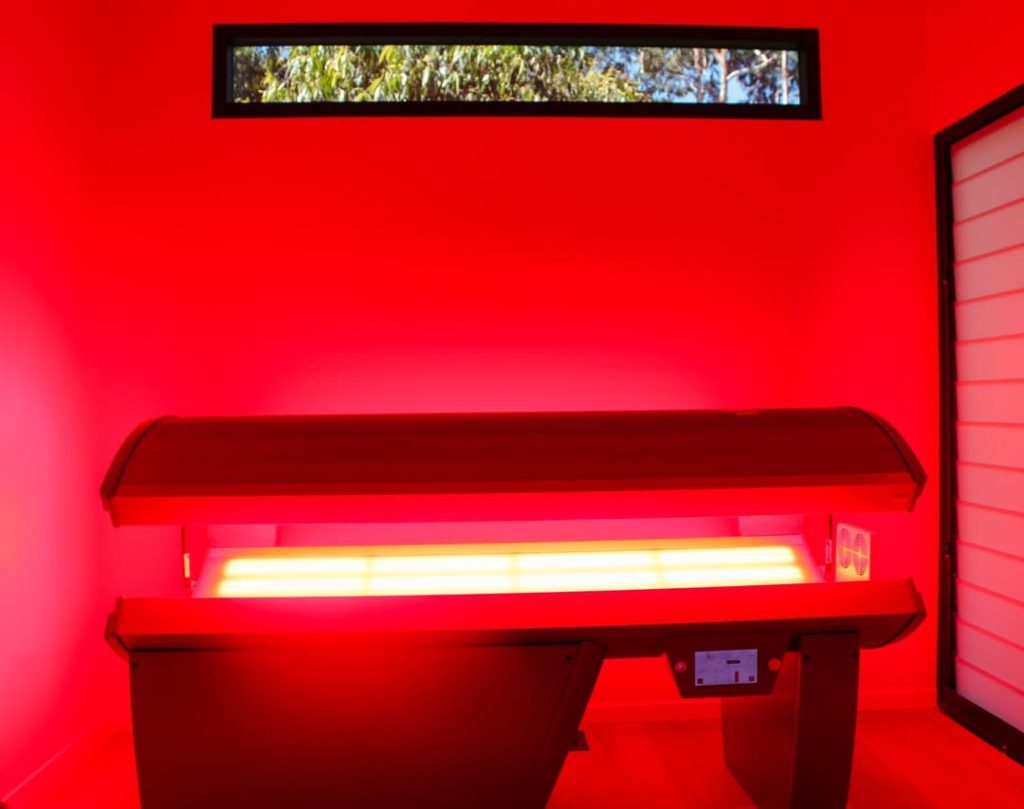
How To Use Red Light Therapy: A Step-By-Step Guide
Red Light Therapy (RLT) has emerged as a cutting-edge treatment that harnesses the power of low-level wavelengths of red light to promote healing and rejuvenation. Initially developed in the 1960s for its potential in wound healing, the therapy has garnered significant attention in recent years for its wide array of applications, including pain relief, improved skin health, and enhanced athletic performance. As individuals increasingly seek alternative methods for wellness and recovery, RLT offers a promising avenue that merges science and holistic care.
This article will explore the mechanisms behind Red Light Therapy, its benefits, and the various ways it can be effectively integrated into both clinical and at-home settings. From understanding how light interacts with our cells to examining the growing body of research supporting its efficacy, we aim to provide a comprehensive overview of this innovative treatment modality. Whether you are a curious newcomer or an experienced user, this guide will equip you with the knowledge needed to navigate the world of Red Light Therapy confidently.
Mechanisms of Red Light Therapy
Red Light Therapy functions through the principle of photobiomodulation, wherein specific wavelengths of light stimulate cellular processes that enhance energy production and reduce inflammation. When red light penetrates the skin, it is absorbed by mitochondria, the powerhouse of cells, which leads to an increase in adenosine triphosphate (ATP) production. This boost in energy can facilitate faster healing, alleviate pain, and improve overall cellular function. Research has shown that RLT can aid in reducing oxidative stress and promote collagen synthesis, making it beneficial for skin rejuvenation and repair.
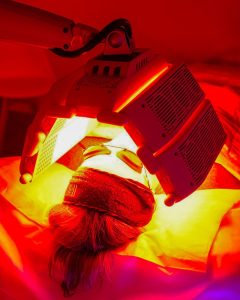
Benefits and Applications
The versatility of Red Light Therapy extends beyond skin health and wound healing; it also shows promise in enhancing mood and mental well-being. Studies suggest that RLT may positively influence serotonin levels and other neurotransmitters, potentially helping individuals combat anxiety and depression. For those interested in exploring its psychological benefits, resources such as Red Light Therapy For Mood offer valuable insights. Additionally, athletes are increasingly utilizing RLT for recovery purposes, as it can significantly reduce muscle soreness and improve performance by decreasing inflammation and promoting faster tissue repair.
As the body of research surrounding Red Light Therapy continues to grow, its potential applications and benefits are becoming increasingly clear, making it an attractive option for those seeking non-invasive wellness solutions. By harnessing the power of light to energize cells, reduce inflammation, and promote healing, RLT exemplifies a harmonious blend of modern science and holistic care that addresses both physical and mental health. With the increasing availability of advanced devices for home use and an expanding range of clinical applications, individuals can easily incorporate this innovative therapy into their daily routines. As we embrace the future of healthcare, Red Light Therapy stands poised to play a significant role in our journey toward optimal health and well-being, unlocking new possibilities for recovery, rejuvenation, and overall vitality.